6 Things We Took Away from Nacha Smarter Faster Payments
Eelco Rietveld and Richard Koldewijn
Utrecht
We attended Nacha Smarter Faster Payments. Here’s what the industry is actually talking about, and what it tells us about where fraud prevention in North America is heading.
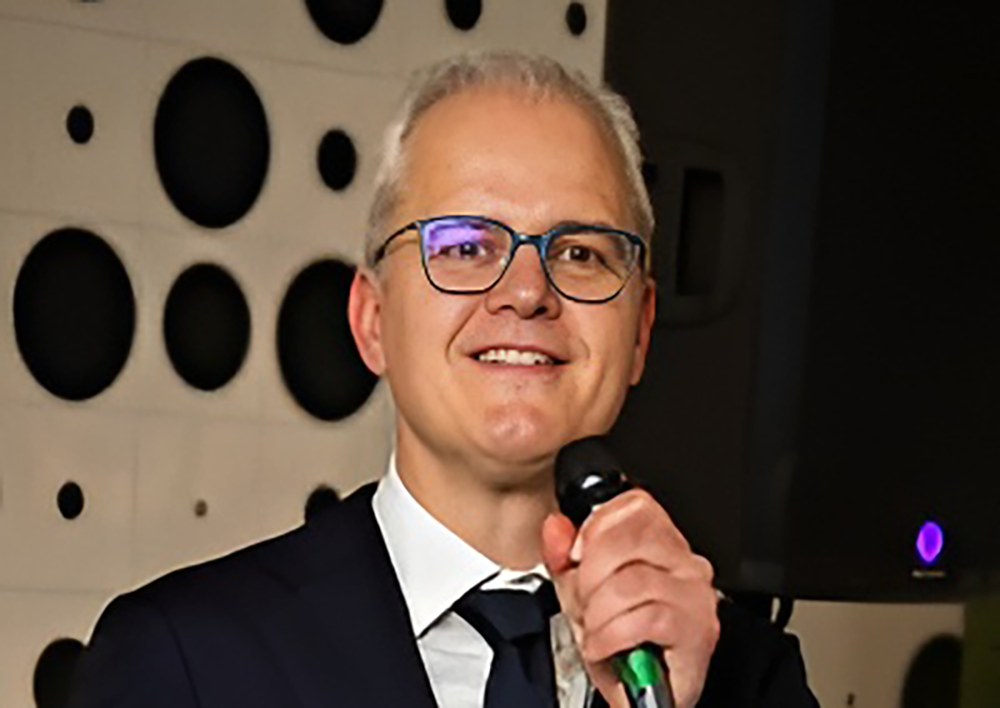
By Eelco Rietveld (Head of Product Management) and Richard Koldewijn (Regional Director North America and Canada)
1. AI was in every single conversation. Without exception.
Not as a conference theme, as a constant. Every session, every panel, every hallway. The industry is working through what AI-enabled payments actually means in practice: agents acting autonomously on behalf of consumers and businesses, liability questions when something goes wrong, and rules that haven’t caught up with the technology. The expectation is that early court cases will have to set the precedent on who’s responsible when an AI agent makes a bad payment call. That legal clarity is still years away. But the payments decisions are happening now.
2. AI is both the threat and the defense, but right now, fraudsters have the upper hand.
This was the most honest conversation at Nacha. Banks are investing in AI-powered fraud detection. But fraudsters are deploying AI faster, because they don’t have a 13–18 month implementation cycle. No procurement process. No compliance sign-off. No legacy infrastructure to work around. The result: synthetic identity fraud is scaling at a pace the industry hasn’t seen before. The asymmetry is real, and it’s widening. That’s not a reason for fatalism, it’s a reason for urgency.
3. Fraud thrives in silos, and the whole room knows it.
“Fraud thrives in silos” was probably the most repeated phrase across the sessions attended, in one form or another. Every institution sees only a fragment of the picture. Everyone fighting fraud is, to some degree, fighting blind. The consensus: sharing more data across organizations would dramatically improve outcomes. The obstacle: the US regulatory patchwork and data privacy landscape make that genuinely hard. EU initiatives like VOP were cited as successful models, but widely viewed as difficult to replicate in the US context. The pragmatic takeaway was this: sharing a little data that moves the needle is better than sharing nothing at all.
4. APP fraud in the US is a $2 billion problem, at minimum.
Baseline projection, not the worst case. Authorized Push Payment fraud is accelerating in North America, and nobody in that room was pretending otherwise. The UK’s 50/50 liability split between sending and receiving banks came up repeatedly as a mechanism that actually forced collaboration, because shared liability creates shared incentive. The US doesn’t have that forcing function yet. But the pressure to act is building fast.
5. There is no silver bullet. Not even AI.
The mood at Nacha was clear-eyed on this. No single tool solves fraud. Not AI, not account validation services, not real-time monitoring alone. What the industry is missing is interoperability, solutions that work together, share intelligence, and give institutions a joined-up view of risk. Fraudsters always find the weakest link. Closing that gap requires thinking at the network level, not the product level.
6. Account validation is stuck at "score". The industry needs certainty.
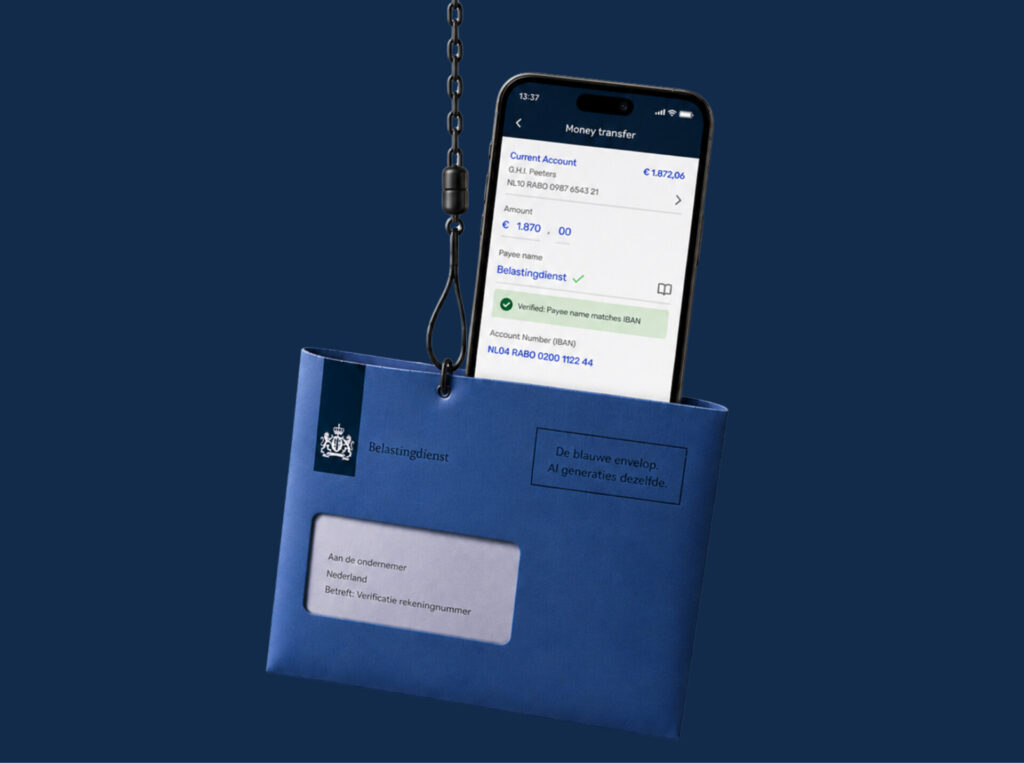
Today’s account validation services return a risk score , processed in the background, mostly at onboarding, invisible to the payer at the moment it matters most. Account validation has come a long way: risk scoring at onboarding has meaningfully reduced fraud exposure. But the opportunity ahead is real-time certainty at the moment of payment: surfacing that intelligence to the payer themselves, not just as a background check, but as a clear, actionable signal before money moves.
Our takeaway
The US payments market is wrestling with the same fundamental challenges Europe has been working through for years, but without the regulatory forcing functions that drove Verification Of Payee adoption across the continent. Progress here depends on institutions choosing to act, not being required to. The appetite is there. The urgency is real. And we saw genuine interest in approaches that deliver intelligence without requiring banks to expose customer data to do it.
We had strong conversations at Nacha. More to come.
Richard and Eelco
Start today. Be sure who you pay.
Book a meeting to discuss how SurePay can support your organization.